Hyperbaric Chamber for Athletes: The Ultimate Injury Rehabilitation Protocol
Every serious athlete knows the specific, sickening feeling of a season ending in a split second. You are sprinting down the wing, you push off for a tackle, or you land awkwardly from a jump. Then comes the “pop,” the sharp, blinding pain, and the sinking realization that your goals for the next six months have just evaporated. The physio gives you the timeline: 12 weeks for a hamstring, 9 months for an ACL, 6 weeks for a fracture. For a competitive individual, those numbers are not just dates on a calendar. They represent lost fitness, lost selection chances, and lost momentum. You are stuck on the sofa while your competitors are getting faster and stronger.
Recover 3-5x faster from injuries, surgery, and fatigue. Boost oxygen absorption to 16x normal levels. Professional-grade equipment trusted by elite athletes. Expert installation and lifetime support. Transparent pricing with flexible options.
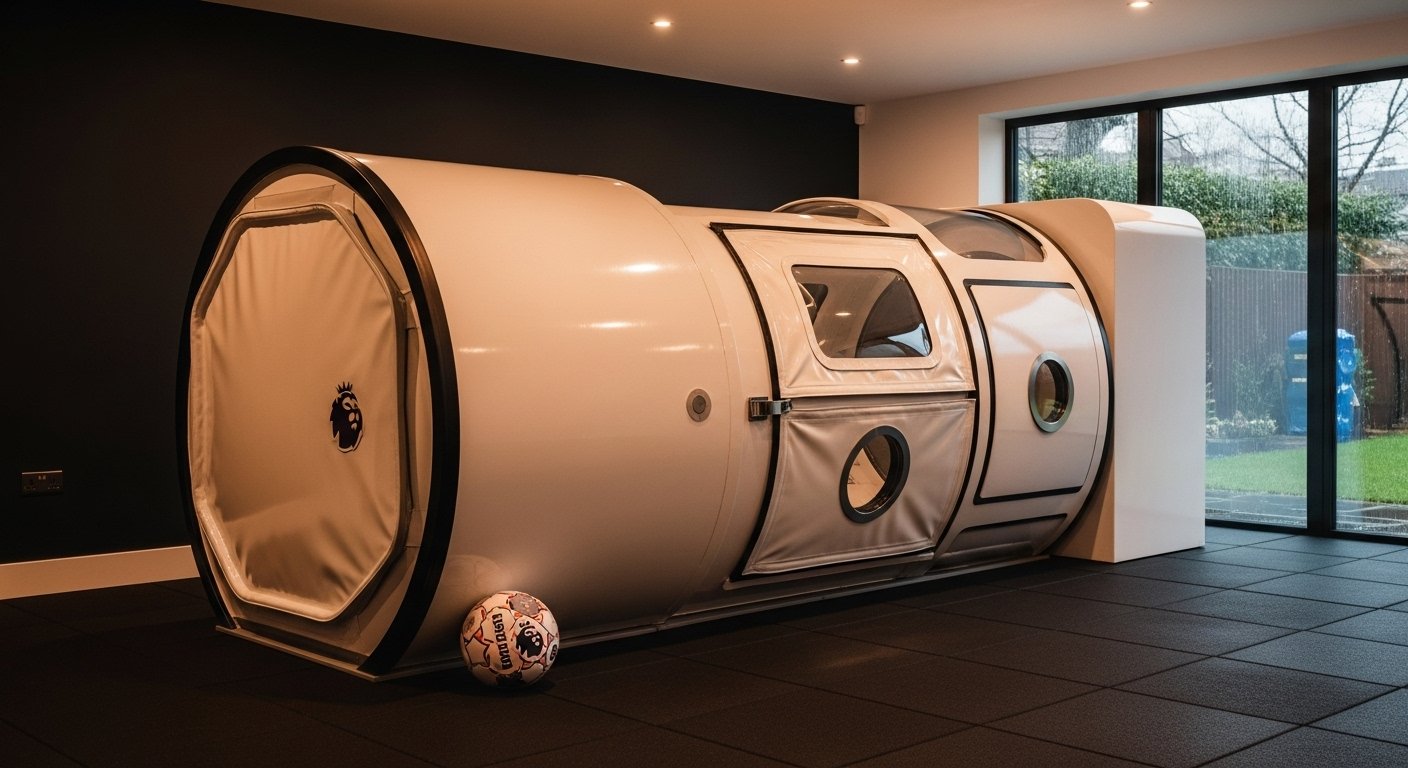
But what if you could refuse to accept that standard timeline? What if you could use the exact same technology that Premier League clubs and Olympic squads use to slash their rehabilitation times by up to 50%? This is where a hyperbaric chamber for athletes becomes the most critical tool in your recovery arsenal. As a Rescue Diver and Paramedic with 23 years of experience in high-pressure environments, I have witnessed first hand how oxygen, when delivered under pressure, can heal trauma that conventional medicine leaves to “rest and time.” In this comprehensive guide, we will bypass the marketing hype and dive deep into the biological protocols for healing soft tissue, bone, and ligaments using Hyperbaric Oxygen Therapy (HBOT). We will explore why high flow rates of 10.8 LPM and 95.6% oxygen purity are non negotiable for serious recovery.
The Biology of the Stalled Wound: Why You Heal Slowly
To understand why a hyperbaric chamber for athletes is so effective, you must first understand the enemy: Hypoxia (lack of oxygen). When you tear a muscle fibre or fracture a bone, the body’s immediate response is to protect the area. It does this by flooding the site with fluid, creating inflammation and swelling (oedema).
While inflammation is a necessary first step, it quickly becomes the biggest barrier to your recovery. The swelling compresses the microscopic blood vessels (capillaries) surrounding the injury. It creates a physical roadblock. The repair cells—fibroblasts for muscles and osteoblasts for bones—are desperate to get to the trauma site to start rebuilding. However, they need massive amounts of energy (ATP) to do their job, and ATP requires oxygen. Because the swelling has crushed the supply lines, the repair crew is stuck in traffic. This is why standard rehab is slow. You are essentially waiting for the swelling to subside naturally before the real healing can even begin.
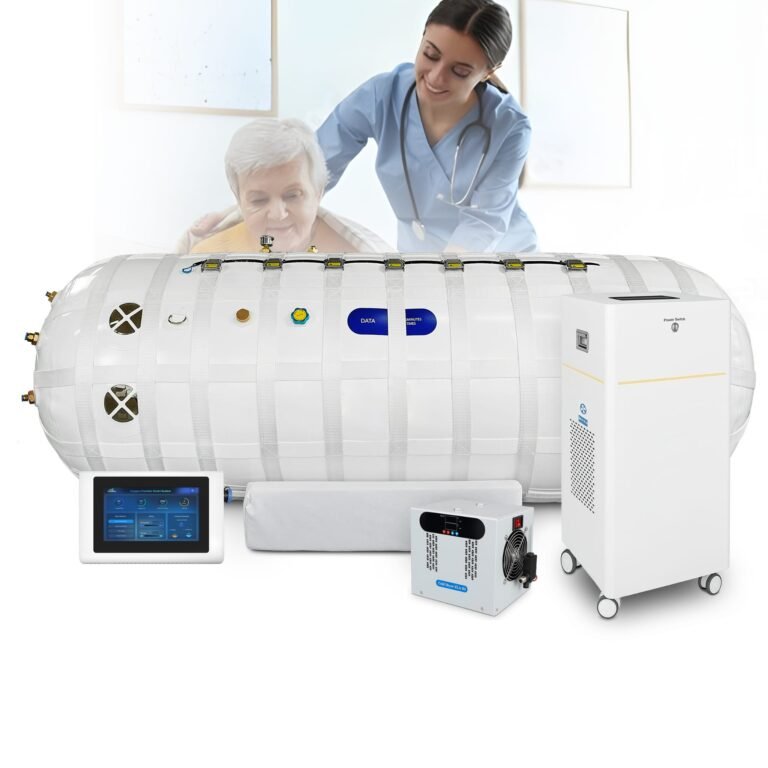
With a hyperbaric chamber for athletes, we do not wait. We use the laws of physics to bypass the roadblock entirely. By placing you in a professional soft shell chamber at 1.5 ATA or 2.0 ATA, we dissolve oxygen directly into your blood plasma, lymph fluid, and cerebrospinal fluid. Unlike red blood cells, which are too large to squeeze through compressed capillaries, oxygenated plasma is a liquid. It can permeate through the swelling and reach the hypoxic tissue immediately. We effectively flood the construction site with high grade fuel, allowing your body’s repair mechanisms to work 24 hours a day rather than just a few hours.
The Tech Specs: Why 10.8 LPM Flow Changes Everything
In the UK market, you will see many chambers that look similar on the outside. Do not be fooled. The difference lies in the engine room—the oxygen concentrator. Most standard home units deliver 5 Litres Per Minute (LPM) of oxygen. For a grandmother reading a book, that might be sufficient. For an athlete with a high metabolic rate who is recovering from trauma, it is inadequate.
Our systems are engineered to deliver a massive 10.8 LPM of oxygen flow. Why does this specific number matter for your recovery?
- CO2 Washout: When you are inside a chamber, you are constantly exhaling carbon dioxide. If the fresh air flow is too low, CO2 builds up inside the mask or the chamber environment. This leads to headaches and lethargy, the exact opposite of what you want. A flow rate of 10.8 LPM ensures a rapid, constant flush of fresh oxygen, keeping CO2 levels at zero.
- Saturation Speed: You want to reach therapeutic oxygen levels in your blood as fast as possible. The high flow rate fills the reservoir bag instantly, ensuring that every single breath you take is 95.6% pure oxygen, with no mix of ambient air.
- Cooling Effect: High flow creates better air circulation. Combined with our dedicated air coolers, this prevents the “sweat box” effect that plagues cheaper chambers.
Protocol 1: Soft Tissue Tears (Hamstrings, Quads, Calves)
Soft tissue injuries are the bread and butter of sports medicine. Whether it is a grade 2 hamstring tear from a sprint or a dead leg from a rugby tackle, the healing mechanism is collagen synthesis. Your body needs to lay down new collagen fibres to knit the muscle belly back together.
The “Vasoconstriction” Phase (Hours 0 to 72)
If you have a fresh tear, the first 3 days are the most critical window.
- The Goal: Stop the swelling. Swelling causes pain and kills healthy tissue surrounding the injury (secondary necrosis).
- The Protocol: 1.5 ATA pressure for 60 minutes, twice daily.
- The Mechanism: Oxygen is a potent vasoconstrictor. This sounds counterintuitive, but it is exactly what we want. It causes the blood vessels to tighten, which physically stops the leakage of fluid into the tissue, reducing swelling. However, because we are using hyperbaric pressure, we still deliver more oxygen to the tissue despite the tighter vessels. It is the perfect scenario: less swelling, more fuel.
The “Angiogenesis” Phase (Day 4 onwards)
Once the acute bleeding has stopped, we switch focus to regeneration.
- The Goal: Build new blood vessels and lay down flexible scar tissue.
- The Protocol: 1.5 ATA to 2.0 ATA for 90 minutes, once daily.
- The Mechanism: Hyperbaric oxygen stimulates the release of Vascular Endothelial Growth Factor (VEGF). This signal protein tells your body to grow new capillaries (angiogenesis). More capillaries mean better nutrient delivery to the muscle for the rest of your life. This ensures that the scar tissue forming is organized, flexible, and strong, drastically reducing the risk of re-injury when you return to sprinting.
Protocol 2: Ligament and Tendon Repair (ACL, Achilles, Rotator Cuff)
Ligaments and tendons are notorious for their slow healing times. In medical terms, they are referred to as “white tissue” or “bradytrophic” tissue. Unlike the red, blood rich muscles, ligaments naturally have a terrible blood supply. This is why an ACL tear takes 9 months to heal while a broken leg takes 6 weeks. A hyperbaric chamber for athletes is often the only non surgical way to drive sufficient oxygen into these dense, stubborn structures.
The Deep Pressure Strategy
For dense tissue, standard atmospheric pressure is simply not enough to force the gas in. You need the higher partial pressure provided by our 2.0 ATA Tubular or Triangular models.
- The Frequency: Consistency is non negotiable here. You cannot treat an ACL tear with a weekend session. We recommend a “loading block” of 4 weeks, with sessions 5 to 6 days a week.
- Stem Cell Mobilization: One of the most groundbreaking findings in hyperbaric research is the effect on stem cells. Studies have shown that a course of 20 sessions can increase the number of circulating stem cells in your blood by eightfold. These stem cells originate in the bone marrow but migrate to the site of injury—your torn ligament—and differentiate into new tendon cells. You are essentially using the chamber to activate your body’s own regenerative medicine system.
Protocol 3: Bone Fractures and Stress Fractures
For impact sports athletes or high mileage runners, bones are a common failure point. A stress fracture in the metatarsal can ruin a marathon preparation. Bone healing is an incredibly energy intensive process involving two teams of cells: osteoclasts (which remove the broken bone fragments) and osteoblasts (which lay down new bone matrix).
Accelerating Calcification
Using a hyperbaric chamber for athletes during fracture recovery has been clinically shown to speed up the calcification process.
- Surgical Recovery: If you have had surgery to fix a break (pins, plates, or screws), infection is a major risk. A deep infection in the bone (osteomyelitis) can end a career. Oxygen is a natural antibiotic. High levels of oxygen kill bacteria and “supercharge” the activity of your white blood cells (neutrophils), keeping the metalwork and the surgical site sterile.
- Oedema Reduction for Surgery: Often, a surgeon cannot operate on a complex ankle break until the swelling goes down, which can take a week of lying in a hospital bed. Using a chamber immediately after the break can reduce swelling significantly in 24 to 48 hours, allowing for surgery to happen days earlier. The sooner you are fixed, the sooner you are rehabilitating.
Protocol 4: The Mental Game and Concussion
We cannot discuss a hyperbaric chamber for athletes in the UK context without addressing contact sports. Rugby Union, Rugby League, and Football are becoming increasingly aware of the dangers of concussion and sub concussive impacts. The brain is the CEO of your athletic performance. If the CEO is sick, the company fails.
The “Brain Flush”
When you take a heavy knock to the head, your brain suffers from a metabolic crisis called neuro inflammation. It is essentially an energy deficit in the brain cells (neurons).
- The Protocol: 1.5 ATA to 2.0 ATA for 60 minutes.
- The Benefit: A session in the chamber helps to flood the brain tissue with oxygen and reduce intracranial pressure. Many professional rugby players now use their home chambers immediately after a match, regardless of whether they feel symptoms. They call it “washing the brain.” It helps reset the autonomic nervous system, improves sleep quality, and ensures that the brain has the surplus energy it needs to repair any micro trauma sustained during the 80 minutes of impact.
Rent vs Buy: Navigating the UK Market
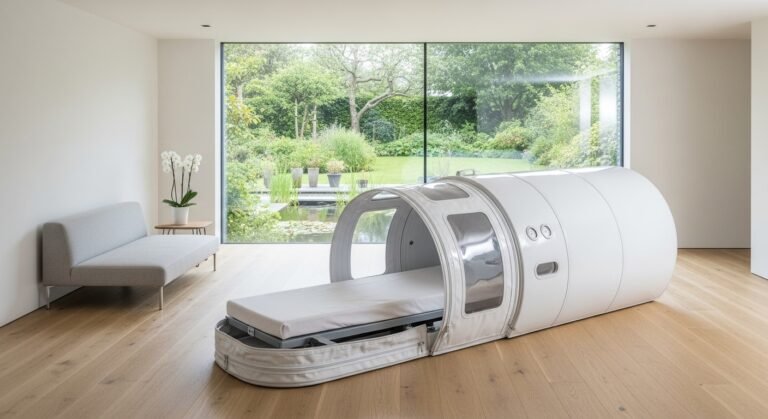
Ten years ago, accessing this technology meant driving to a specialized Multiple Sclerosis centre or paying hundreds of pounds per hour at a private clinic on Harley Street. Today, the landscape has changed. You have flexible options to bring this “Diver Standard” technology into your home.
Hiring a Chamber (The Injury Specific Approach)
If you have a specific, acute injury—like a torn meniscus or a fracture—hiring a hyperbaric chamber for athletes is the most cost effective solution.
- Cost Efficiency: For a monthly fee that is comparable to the price of a few private physio sessions or MRI scans, you can have a medical grade unit in your living room.
- The “Two a Day” Advantage: The biggest benefit of having the unit at home is frequency. In a clinic, you go once a week. At home, you can treat yourself every morning and every evening. This cumulative dose is what drives the rapid healing results we see in elite sport.
- Logistics: We deliver from our UK accessible depot directly to your door. Setup takes less than 30 minutes, and as a Rescue Diver, I provide full video training to ensure you are confident in operating the pressure valves.
Buying a Chamber (The Career Investment)
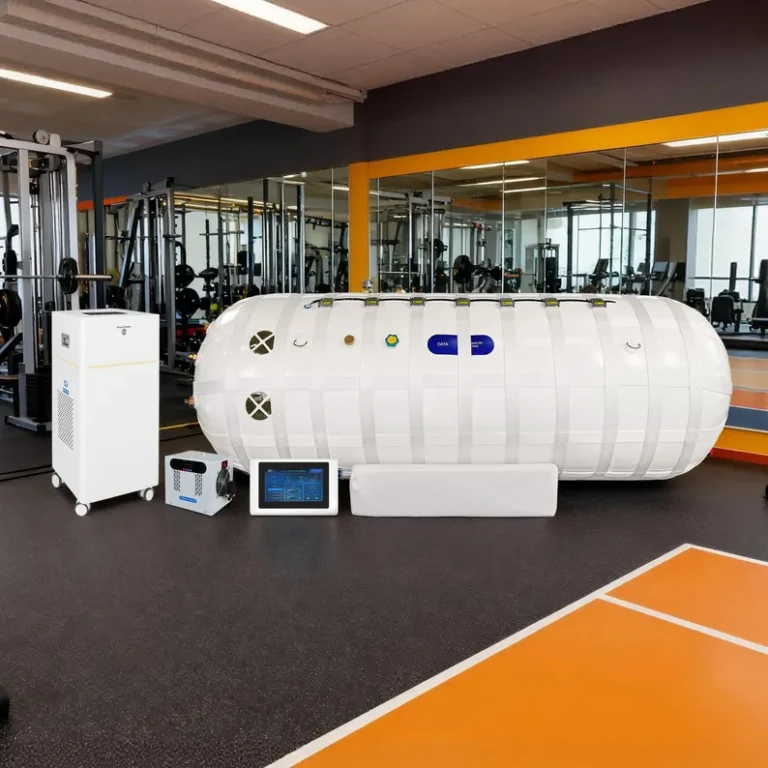
For semi pro clubs, independent gyms, or lifelong endurance athletes, buying makes financial sense.
- Team Utility: A local rugby or football club can buy a single unit and treat the entire squad. If that chamber gets one key striker back on the pitch for a cup final, or keeps the captain fit through a gruelling season, the Return on Investment (ROI) is instant.
- Resale Value: High quality soft shell chambers hold their value exceptionally well in the UK second hand market. You are buying an asset, not just a service. If you retire or upgrade, you can recoup a significant portion of your investment.
Safety First: A Paramedic’s Warning
As a safety professional, I must be blunt. The internet is flooded with cheap, unbranded chambers that claim to be a hyperbaric chamber for athletes. These are often little more than glorified tents with weak zippers and industrial glue that off gasses toxic fumes. When you are putting your body under pressure, “cheap” is dangerous.
The “Diver Standard” Checklist:
- Triple Redundancy: Does the chamber have two safety valves and one manual dump valve? If one fails, the others must work. Ours do.
- Heat Management: Athletic recovery generates metabolic heat. You need a chamber with a dedicated air cooling system. Without one, you will sweat profusely, dehydrate, and increase your heart rate—counteracting the recovery benefits. All our units come with coolers as standard.
- Zipper Quality: We use YKK Senko zippers from Japan. In a soft shell chamber, the zipper is the only thing holding back the pressure. If it fails, it fails explosively. Do not trust your safety to unbranded components.
Conclusion: Don’t Let Injury Dictate Your Narrative
Injuries are an inevitable part of pushing your body to the limit, but long, drawn out recoveries do not have to be. The difference between the amateur who fades away and the pro who bounces back is often not genetic talent, but access to the right recovery tools. With a hyperbaric chamber for athletes, you are leveling the playing field. You are giving your body the one thing it needs most to repair itself: energy in the form of oxygen. Do not wait 12 weeks for a hamstring to heal if it could be done in 6. Take control of your biology. Whether you are looking to rent a unit for a month to get over a knock, or buy one to secure your long term health, the technology is ready for you.
Your Next Step to Recovery
Are you currently icing an injury and counting the days? Let’s get you moving again.
- Send us your diagnosis: Message me directly on WhatsApp. Tell me what your physio or doctor has said, and I will tell you exactly what pressure protocol and duration you need for that specific tissue type.
- Check Rental Stock: We often have a waiting list for rentals during the football and rugby season, so check availability today to secure your unit.